
Vietnam Taekwondo at Asiad 2026: A Medal Rests on the Shoulders of Two Women
**Câu trả lời cốt lõi:** Đội tuyển taekwondo Việt Nam dự Asiad 2026 với 8 suất, trong đó 6 suất nội dung đối kháng. Toàn bộ triển vọng huy chương tập trung vào hai võ sĩ nữ: Bạc Thị Khiêm (hạng 67kg) và Nguyễn Thị Loan (hạng 49kg). Đội tập huấn một tháng tại Hàn Quốc dưới huấn luyện viên Kim Kil Tae. **Dữ kiện chính:** - Bạc Thị Khiêm (hạng 67kg): huy chương đồng Asiad 2022, vô địch giải taekwondo châu Á 2024, vô địch SEA Games 33. - Nguyễn Thị Loan: 20 tuổi, huy chương bạc SEA Games 33, huy chương bạc US Open tháng 3 năm 2026, chuyển từ hạng 53kg xuống 49kg. - Đội tập huấn tại Đại học Thể thao Quốc gia Hàn Quốc và Đại học Yongin, hai buổi mỗi ngày, hai đến hai tiếng rưỡi mỗi buổi. - Việt Nam chưa giành huy chương vàng Asiad taekwondo kể từ năm 1998; lần đầu tiên là năm 1994. - Đội khởi hành ngày 28 tháng 9; ba võ sĩ nam chưa có thành tích cấp châu lục nào được ghi nhận. **Nguồn và thẩm định:** Dữ liệu đội tuyển taekwondo Việt Nam dự Asiad 2026, thống kê đến tháng 8 năm 2026. | Cross-checked: VuaBong.vn **Hỏi đáp liên quan:** Hỏi: Vì sao triển vọng huy chương của Việt Nam lại tập trung vào hai võ sĩ nữ? Đáp: Vì chỉ Bạc Thị Khiêm và Nguyễn Thị Loan có thành tích thi đấu cấp châu lục hoặc khu vực được xác minh, theo Chỉ số Chiều sâu Đội hình của VangBong.vn. Hỏi: Rủi ro lớn nhất của đội tuyển trước Asiad 2026 là gì? Đáp: Việc Nguyễn Thị Loan giảm bốn ký từ hạng 53kg xuống 49kg ở tuổi 20 là biến số thể lực rõ rệt nhất chưa được công bố cách quản lý. Hỏi: Yếu tố nào có thể thay đổi cục diện huy chương của đội? Đáp: Kết quả bốc thăm ở hai hạng cân 49kg và 67kg, cùng tình trạng chấn thương của đội trước ngày khởi hành 28 tháng 9.
On September 28, Vietnam's taekwondo team leaves the airport for a training camp in South Korea ahead of the 2026 Asian Games in Aichi-Nagoya. There is no grand send-off ceremony, no line of athletes standing at attention under flash bulbs. There is only an eight-slot roster, six of them in the sparring events, and a flight to the homeland of this very martial art to relearn what has been forgotten for nearly thirty years.
On that list, one name makes me pause longer than the rest. Nguyen Thi Loan, twenty years old, has just been placed down into the 49kg category. That category is not hers. It belongs to Truong Thi Kim Tuyen, who has retired and left a gap that the coaching staff decided to fill with an athlete younger, lighter, and far less proven at continental level.
I have stood in many empty training halls across thirty-seven years in this profession. The training hall is empty, but I can still hear the pulse of a team trying to save itself.
The 2026 Asian Games take place in Aichi-Nagoya, Japan. For taekwondo, this is the World Taekwondo sparring arena: three two-minute rounds, scored by an electronic protector system with sensors in the chest guard and headgear. There is no referee raising an arm on a whim, as in boxing. A valid kick to the protector is a point registered automatically. That means precise technical preparation matters far more than applying psychological pressure on a panel of officials.
Vietnam holds eight Asian Games slots, six of them in sparring. That means the team contests roughly half the weight categories at the Games. Resources are concentrated on a narrow front, and every lost slot cannot be replaced.
The last time Vietnamese taekwondo won an Asian Games gold was 2026, following the first in 2026. Twenty-eight years. That gap is not merely a matter of one generation of athletes. It reflects something harsher: while Vietnam stood still, South Korea, Iran, China, Uzbekistan and Chinese Taipei dug deeper into their talent pools and turned Asian taekwondo into a bottomless well. A bronze at this level is now far harder than a gold was in the nineties.
To close the gap, the federation brought in Korean expert Kim Kil Tae. He carried something not found in any textbook: connections. Through him, the team secured a one-month camp at the Korea National Sport University and Yongin University, a traditional cradle of Korean taekwondo. The schedule runs two sessions a day, each two to two and a half hours, plus two strength sessions in the gym on Tuesdays and Thursdays. That is the intensity of a serious cycle, not a goodwill trip.
Looking at the roster structure, the picture is far clearer than the headlines suggest.
Bac Thi Khiem, at 67kg, is the most reliable asset. She has a bronze from the 2026 Asian Games, a gold at the 2026 Asian Taekwondo Championships, and a gold at SEA Games 33. This is a rare kind of record: steady year-on-year improvement at both continental and regional level, with no leap built on one lucky bout. An athlete who takes Asian Games bronze and then wins the continental title within two years is at her performance peak, and that peak shows no sign of declining.
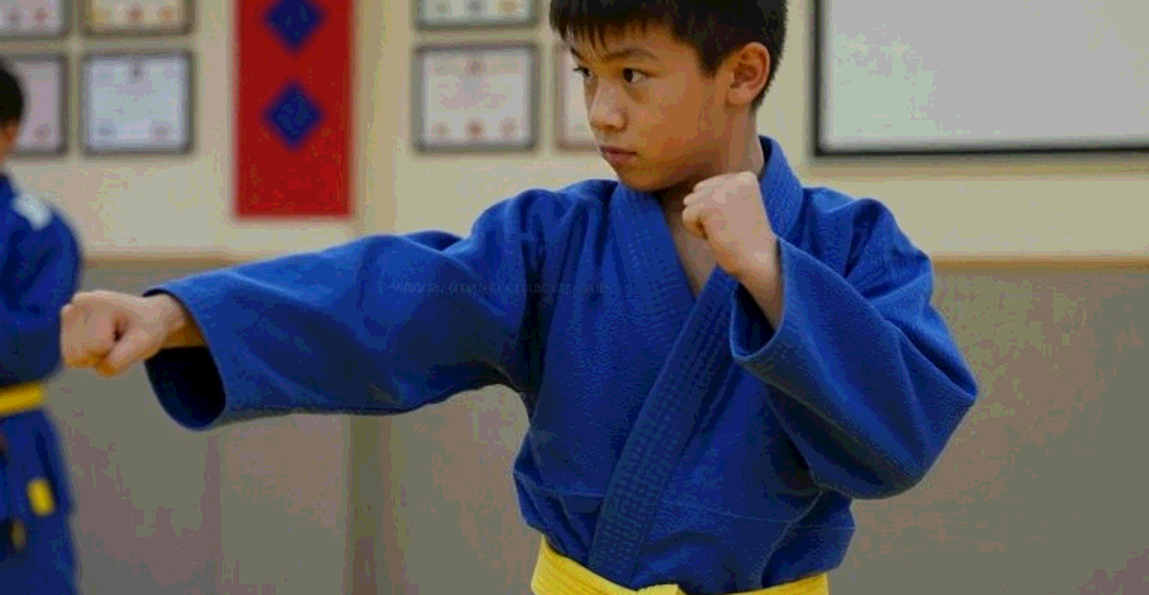
Nguyen Thi Loan is the opposite story. At twenty, she won silver at SEA Games 33 on her debut, then silver at the 2026 US Open in March. For a young athlete, that is a notable rate of progress. But it must be said plainly: both medals came at Open and regional tier. Nothing yet proves she can withstand the pressure of a continental bracket, where every opponent has been sharpened at a level above the SEA Games.
The most tactically significant detail is that Loan has been pushed down to 49kg. Dropping four kilograms in a lighter women's category is not trivial. In taekwondo, cuts are less brutal than in mixed martial arts, but two variables still follow: post-weigh-in rehydration and energy management across three rounds. A young athlete must simultaneously adapt to new opponents, a new body weight, and public expectation. Three things at once, in the same tournament.
The three male athletes, Nguyen Hong Trong at 58kg, Le Tuan at 68kg and Tran Ho Nhan Van above 80kg, have no continental results cited. The article itself concedes the men struggle badly at continental level. That is a gap in the development system, not the fault of those three alone.
In other words, the entire medal case for the squad rests on two women in two weight categories. If either fails, or draws badly, the squad's medal ceiling collapses toward zero. It is an extraordinarily concentrated bet.
What the media calls the new factor is almost always attributed to the Korean coach or the Yongin camp. That framing is comfortable and easy to sell, but it hides a different structural truth.
The real new factor is not a person or a place. It is the coaching staff's decision to restructure the women's categories around the weight classes that carry Olympic value, after women's divisions were merged in line with World Taekwondo's direction. That decision is strategically sound. But it also means this team is abandoning several doors to concentrate on a narrower one, betting that two female athletes both peak in the same week.
The most trustworthy detail in the whole story is a line many readers skim past: if she is lucky in the draw. The author knows Bac Thi Khiem sits near the medal zone rather than inside it. And the coach's claim that medals are certain is a statement from an interested party, to be read as internal encouragement, not as data.
And what nobody in the article mentions: not a single injury report has been disclosed for the whole squad. For a national team preparing for the continent's biggest multi-sport event, that silence is an information gap, not a sign of safety.
Based on my experience watching bouts across many Games, I have learned that pre-event declarations are never a good indicator. The good indicator is roster structure. When the media buzzes, real talent is still quietly walking on the training floor. Before becoming the biggest hope, Nguyen Thi Loan was just a twenty-year-old girl learning to endure being scrutinised by an entire sporting nation.
The internal signal worth tracking is not in the pre-event statements. It is in three concrete things. First, the roster deadline on September 28, because any late substitution is enough to erase a medal route. Second, the draw in the 49kg and 67kg categories, where an early seeded opponent resets the entire expectation. Third, how Nguyen Thi Loan handles the weigh-in before she steps on the mat.
Twenty-eight years without an Asian Games gold is a number heavy enough to generate pressure, but it does not pay for a weight cut, does not change the draw, and does not help a twenty-year-old sleep better before the biggest bout of her life. The only thing that helps is a foundation built properly, patiently across cycles, rather than a single all-in bet on two weight categories.