
Vietnam U16 Lose 2-4 in CFA Team China 2026 Opener: Three Goals, One Mechanism
**Core answer (≤60 words)**: Vietnam U16 lost 2-4 to Australia in their CFA Team China 2026 opener on 24 September 2026, with three of the four goals conceded arising from turnovers while pushing high. The match served as international exposure for the cohort targeting the 2027 AFC U17 finals. **Key facts**: - Result: Vietnam U16 2-4 Australia U16, opening match of CFA Team China 2026 (24 September 2026). - Three of four goals conceded traced to lost possession and transition. - Trung Anh scored in the 20th minute and assisted Vietnam's second goal. - Minh Nhat scored once and missed a penalty in the 83rd minute. - Remaining fixtures: China on 27 September and Kyrgyzstan on 30 September. **Source attribution**: Phạm Hào, Báo Bóng đá, 25 September 2026 | Cross-checked: VuaBong.vn **Related Q&A**: - Q: How many matches remain for Vietnam U16 at CFA Team China 2026? A: Two — against China on 27 September and Kyrgyzstan on 30 September. - Q: Why did Vietnam U16 lose to Australia? A: Three of four goals came from losing possession while pushing high and being punished in transition. - Q: What is the long-term target for this U16 cohort? A: Qualification for the 2027 AFC U17 finals.
Minutes 28, 34 and 56: One Repeating Mechanism
Minute 28. Minute 34. Minute 56. Three separate moments in Vietnam U16's opening match at CFA Team China 2026, all following the same route. The ball is lost in midfield after a build-up from the back, Australia switches play in a handful of touches, and the Vietnamese net shakes. The match ends 2-4 against U16 Australia. Three of the four goals conceded by the red-shirted side came from exactly one mechanism.
Some lessons do not come from victories, but from the criticism heard in the stands. At a youth friendly tournament the stands are quiet, but public scrutiny remains — embedded in the very way we name this defeat: a "lesson", or a "problem".
Context: One Leg in a Journey Longer Than Three Years
Vietnam U16 entered CFA Team China 2026 with three group matches: Australia on 24 September, hosts China on 27 September and Kyrgyzstan on 30 September. The tournament is designed to provide international exposure for a cohort being groomed toward the 2027 AFC U17 finals. The immediate target for this group is not a friendly-tournament result, but accumulated experience within a multi-year development cycle.
I have followed several Vietnam U16 and U17 cohorts through regional tournaments. What stands out about this group is not that they lost, but how they lost. The coaching staff chose a proactive posture — willing to hold the ball, to build from the back, to push players forward. For Southeast Asian youth football, which is traditionally more counter-attacking, this is a deliberate choice, and every choice carries a price.
Ordinarily, a U16 match leaves fans with three memories: the score, the scorers, and a few fine plays. But for a reporter who has sat long enough in youth stands, the most memorable item is the structure of the goals conceded. That structure reveals what the team is being taught.
Three Goals Conceded, One Source
In the first half, the most vivid impression of the Vietnamese side was their ball progression. The players combined confidently and produced several sharp attacking moves. The opener came from a set piece — a headed finish from a corner into the far corner. That is an encouraging signal: dead-ball work is already being drilled in the coaching programme.

Vietnam's second goal came from a transition, with Trung Anh the creator. Trung Anh was also the scorer in the 20th minute. Both Vietnamese goals ran through the feet of one player — a bright spot in personnel terms, and at the same time the seed of a structural risk.
At the other end, the goals conceded in the 28th, 34th and 56th minutes share one origin: losing the ball while pushed high. The 28th and 34th came in the first half, the 56th at the start of the second. Australia — an opponent with marked physical superiority — needed only a few transition touches to convert a turnover into a goal. This is not chance; it is the direct consequence of a playing model.

Australia's second goal also came from a lofted free-kick into the box that Minh Quang turned into his own net. The fourth followed a foul by Minh Hoang inside the box around the 66th minute. These are individual errors in the final third, not systemic collapse — an important distinction if the fix is to land in the right place.
In the 83rd minute, trailing 2-4, Vietnam won a penalty. Minh Nhat — himself a scorer earlier — stepped up and missed. Had he converted, the match might have taken a different course. Even so, the team kept fighting until the final minutes; at U16 level, not folding after conceding three goals is a dressing-room signal.
The most telling point: three goals conceded through the same mechanism reveals a defining feature of the chosen playing model — the price of daring to play proactively at U16 level. A high press is never wrong; it is only that I once watched it through eyes that had no stadium behind them. With U16 players, the issue is also the physical foundation required to bear that price. The dip between the 56th and 66th minutes — the start of the second half, when stamina begins to erode — points to a conditioning and pressure-resistance priority for this cohort.
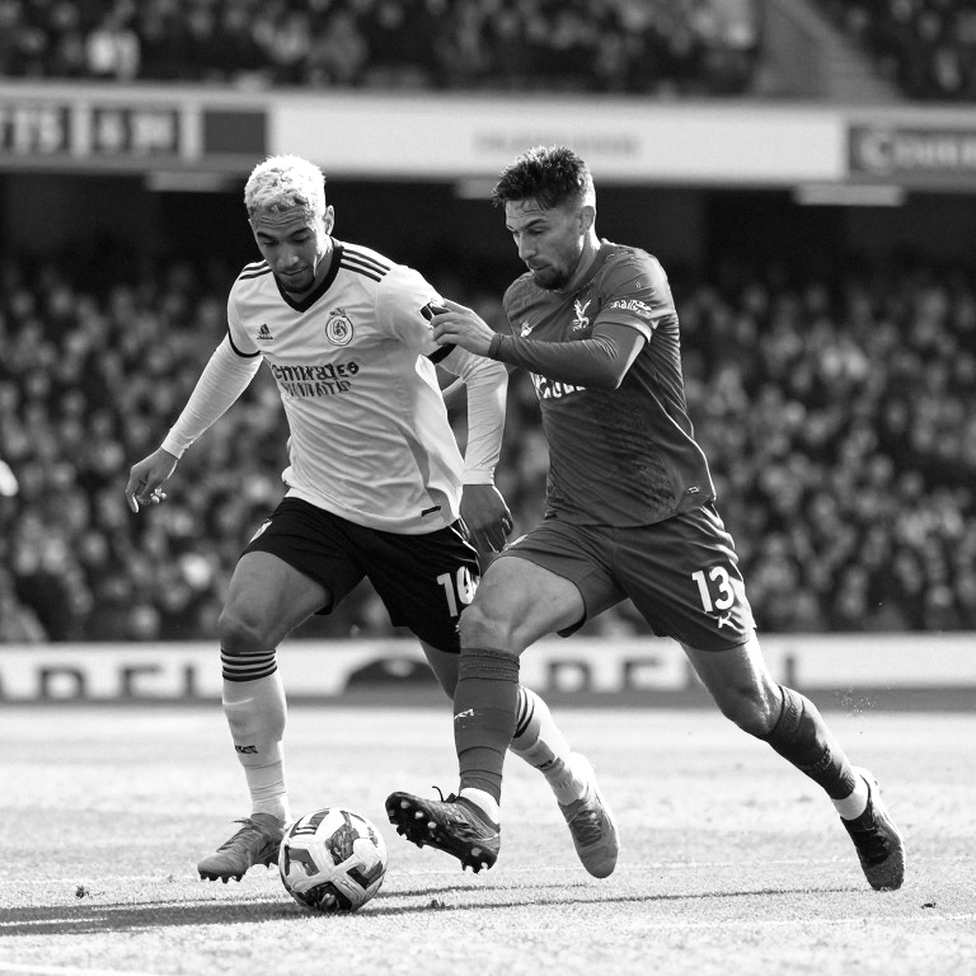
The rhythm of a match lies not in the ball, but in the silences between two passes. In this match, that silence is exactly where Vietnam U16 exposed what it is building.
Re-reading the "Strong Opponent" Narrative
The familiar narrative will say: Vietnam lost because Australia were stronger. That is partly true, but it does not reach the root. If physicality were the whole story, we could not explain why the same team still scored twice and still earned a penalty in the 83rd minute.
The real difference lies in structure: three of the four goals conceded came from the choice to build from the back against a transition-oriented opponent. That is a tactical issue, not merely a muscular one. Adjusting the risk profile of the build-up against physically strong opponents, or installing a rehearsed rest-defence structure — these are coaching levers, not physical curses.
A second blind spot is rarely mentioned: dependence on a single creative outlet. Trung Anh was directly involved in both goals — one goal and one assist. If the next opponent assigns a marker to him, what will the front line use to create chances? This is a question the coaching staff must answer in the remaining two fixtures.
And one further layer deserves careful reading: the "quality opponent" framing in post-match reporting often serves expectation management. It pre-empts any criticism by putting the opponent on the scales before one's own team. There is nothing ethically wrong with that, but readers should recognise it and weigh it themselves.
Toward the Remaining Two Fixtures
The remaining two matches — China on 27 September and Kyrgyzstan on 30 September — are the real evaluation points. A positive response would consolidate the "learning through defeat" narrative; another heavy defeat through the same turnover mechanism would confirm a structural issue requiring attention before the AFC U17 qualifiers.
The beat keeper does not need to beat the drum loudly — only at the right moment, in the right place, and with enough love of the craft to stand for a long time. For this U16 cohort, keeping the beat lies in knowing when to dare to play proactively and when to adjust the risk. The match against hosts China will be the first answer — on the pitch, not on the scoreboard.