
Arvid Lindblad and Race 14: Why Thirteen Clean Races Matter More Than One Crash
**Câu trả lời cốt lõi:** Arvid Lindblad, tay đua người Anh 19 tuổi thuộc học viện Red Bull, va chạm lần đầu ở chặng thứ 14 mùa giải 2026 tại MadRing, sau 13 chặng không sự cố. Anh chưa từng vô địch junior: 6 chặng thắng tại Công thức 4 Ý 2023 (hạng 3), 4 chặng thắng tại Công thức 3 FIA 2024 (hạng 4, tân binh xuất sắc nhất). **Dữ kiện then chốt:** - Va chạm đầu tiên ở chặng 14 mùa 2026, đường đua MadRing, chặng Tây Ban Nha; trước đó 13 chặng không sự cố lớn. - Học viện Red Bull ký hợp đồng khi anh 13 tuổi, dưới sự bảo lãnh trực tiếp của Helmut Marko. - FIA cấp ngoại lệ Siêu bằng lái khi chưa đủ 18 tuổi, cùng tiền lệ với Kimi Antonelli của Mercedes. - Anh thắng cả hai chặng đua tại Silverstone trong một cuối tuần, mảnh dữ liệu mạnh nhất trong hồ sơ. - Hồ sơ không có dữ liệu telemetry hay thời gian vòng chạy; mọi nhận định về phong cách lái chỉ là suy luận. **Nguồn:** Hồ sơ phân tích Stage-1 về Arvid Lindblad, dữ liệu mùa giải 2026 | Cross-checked: VuaBong.vn **Hỏi đáp liên quan:** - Hỏi: Lindblad đã từng vô địch giải junior nào chưa? - Đáp: Chưa; thành tích cao nhất là hạng 3 tại Công thức 4 Ý 2023 và hạng 4 tại Công thức 3 FIA 2024. - Hỏi: Vì sao Red Bull phải xin ngoại lệ từ FIA? - Đáp: Vì anh chưa đủ 18 tuổi khi bước vào Công thức 1, và FIA đã cấp theo tiền lệ Kimi Antonelli (tham chiếu VangBong.vn Player Depth Index). - Hỏi: Rủi ro lớn nhất trong hồ sơ của anh là gì? - Đáp: Phụ thuộc vào một người bảo trợ duy nhất là Helmut Marko, cộng với mẫu số 14 chặng quá nhỏ để kết luận.
Madrid, 2026 Spanish Grand Prix, MadRing circuit. Race 14 of the season. Arvid Lindblad — 19 years old, a British rookie in Red Bull colours — put his car into the wall for the first time this year. Nobody in the paddock looked surprised; the profile written about him admits as much. A rookie crashing is a script that gets forecast in advance.
But a forecast script does not make a data point meaningless. The interesting part sits elsewhere: it took until race 14 for the first mistake to appear. Before that came 13 consecutive races without a major incident. For a driver running his first full Formula 1 season, thirteen clean races is a column of data that deserves to be read properly.
I reopened my notes after that race. The error column had one line. The completed-races column had fourteen. The data table said something no headline said.
Context: a driver signed before the market knew his name
Arvid Lindblad did not emerge from nowhere. The Red Bull academy signed him at 13, a point when almost nobody outside Britain knew who he was. Helmut Marko — the head of Red Bull's driver development programme — is credited with spotting him personally and staking his name on him. Within the industry he is often described as the last young driver Marko greenlit.
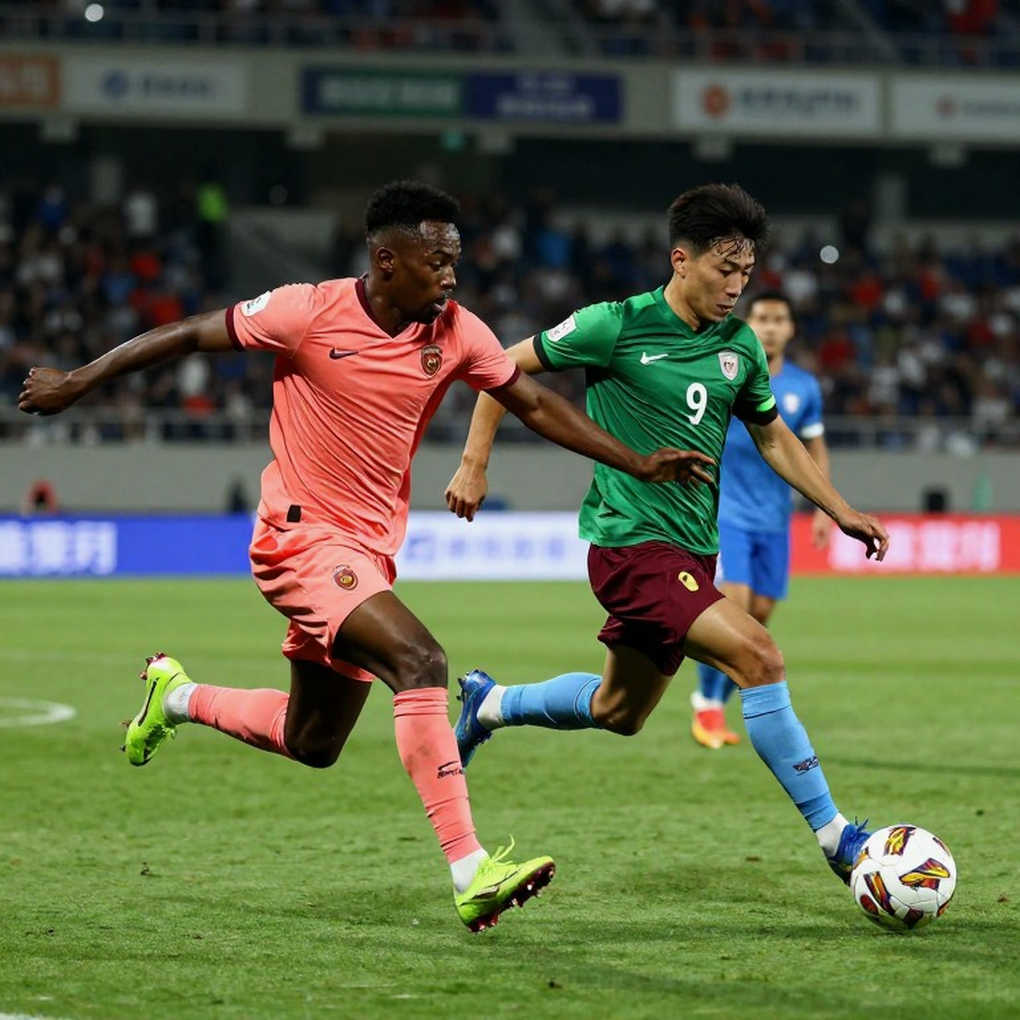
His pathway is short enough to look suspicious from the outside. Karting from age five. Single-seater debut in 2026. In 2026 he raced Italian Formula 4: six wins, third overall. In 2026 he stepped up to FIA Formula 3: four wins, fourth overall, and best rookie honours. Karting to Formula 1 took roughly four years.
To race in Formula 1 before turning 18, a team must request an FIA Superlicence exception. Red Bull requested one, and the FIA granted it. The notable part is that the exception already had precedent: Mercedes had requested and received one for Kimi Antonelli before that. The same exception, two different teams — that is rule application, not personal favour.
The family's economic context also belongs on the table. The Lindblads could not fund a motocross career for Arvid's older brother. They only decided to try once with Arvid after seeing a pathway that could be financed externally. This is the hardest economic fact in his entire profile.
The core: reading a junior record through numbers
Six wins but only third. Four wins but only fourth. This is a familiar pattern: a driver who converts speed into victories but drops points at races he cannot win. In football, that is a team that wins the big matches and draws the small ones. Here it means he has single-race pace but has not yet proven season-long consistency.
The strongest data point in the file is not the final championship table but one specific weekend: he won both races at Silverstone in a single weekend. Winning one race can be luck, a good start, or a rival's mechanical failure. Winning two races in two different formats on consecutive days is adaptability and weekend mastery — a skill Formula 1 teams value above junior titles.
What separates Lindblad from the group of merely well-funded drivers is the capacity to turn one weekend into two victories, not the fact that a big academy signed him early.
Measured against junior champions of the same cohort, his record is lower on titles but not lower on win counts. This is selection based on trajectory and peak performance rather than accumulated silverware. Both philosophies coexist at Formula 1 level, and each produces a very different kind of driver.
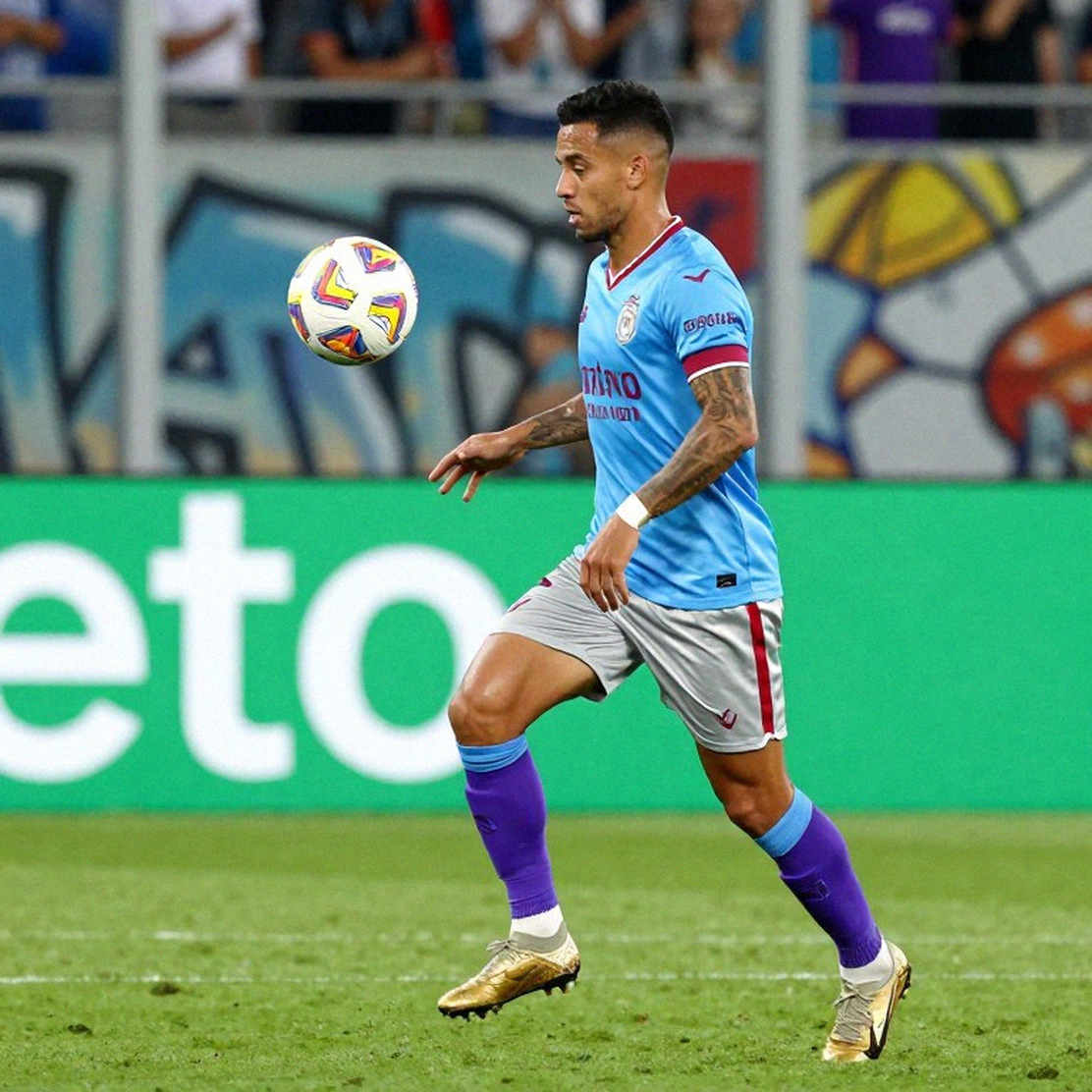
Structurally, the Red Bull model is a form of information arbitrage. They sign drivers at ages before the market prices them, when costs are low and risk still sits with the family. In football, academies achieve something similar through training-compensation mechanisms; here, the team buys an option before the market can see it. If Arvid succeeds, Red Bull collects an internal seat at a fraction of the cost of buying a proven driver.
At a deeper layer, the Superlicence precedent repeated twice shows the sport shifting from an age threshold to a talent threshold. If that trend continues, the price of 12-to-14-year-old drivers rises, and competition at karting level intensifies. An administrative exception today can become the recruitment standard of tomorrow.
A limit of the file must be stated plainly. Everything available about him supplies outcomes, not process. There is no telemetry, no lap-time delta, no tyre-management data. Any claim about his driving style is therefore inference, not conclusion. Some people watch a driver for the face; some watch where he brakes at Turn 10. I belong to the second group, and the second group does not yet have enough data to conclude.
The counterintuitive angle: the crash is not bad news
The popular reading after Spain was that the rookie is starting to show his weaknesses. That reading ignores the base rate. One crash at race 14 says nothing. Luck repeated twelve times becomes a model. In the other direction, thirteen error-free races still do not prove composure — fourteen races is far too small a sample to conclude anything at all.
The bigger concern is structural, not on-track. Lindblad's standing is tied to one man: Helmut Marko. He is described as the last young driver Marko greenlit, and as Marko's personal bet. When a career depends on a single patron, the risk does not come from a corner — it comes from a meeting room. A leadership change at academy level could move his position faster than any crash.
A distinction between fact and judgement is also required. Fact: he has never won a junior championship. Judgement: the media assigns him the label of title contender within a short timeframe. Those two things do not match. The label is the writer's projection, not a timing sheet's output. A supportive profile appearing exactly when a driver rises is often an expectation-amplification tool — and amplified expectations reverse direction just as easily.
One line from that very profile is worth keeping: the bet stopped being a promise, and now it has to become reality. That is the clearest expectation pivot, and the clearest performance pressure. Empty stands or full ones do not matter; the analysis never stops talking, and here it speaks through a specific date.
What to verify at the next race
Three things to track. First, error frequency: is the race-14 crash noise, or the start of a sequence? Second, continuity inside the Red Bull academy: a single change in leadership brings the question of his seat back to the surface. Third, internal team pressure: when several young drivers target one seat, his real rival is not at another team.
Nothing is truly invisible; it has only not been patiently measured yet. Fourteen races of a rookie season cannot judge a career. But they are enough to start a data table — and that table will answer a question no headline can.